

95% of corporate generative-AI pilots are failing.
If that number surprises you, congratulations on being new to enterprise life. For everyone else — especially technical writers — it confirms what we suspected the moment someone said, “Let’s try AI! How hard could it be?”
The MIT report points to poorly prepared content, vague business goals, and content governance practices so thin you could blow on them and watch them evaporate. And underneath it all sits a truth tech writers have muttered for years: most companies are shoveling unstructured, inconsistent, poorly labeled content into AI systems and hoping for miracles.
Below is what the research found — and what technical writers can do before someone declares another AI pilot a “learning experience.”
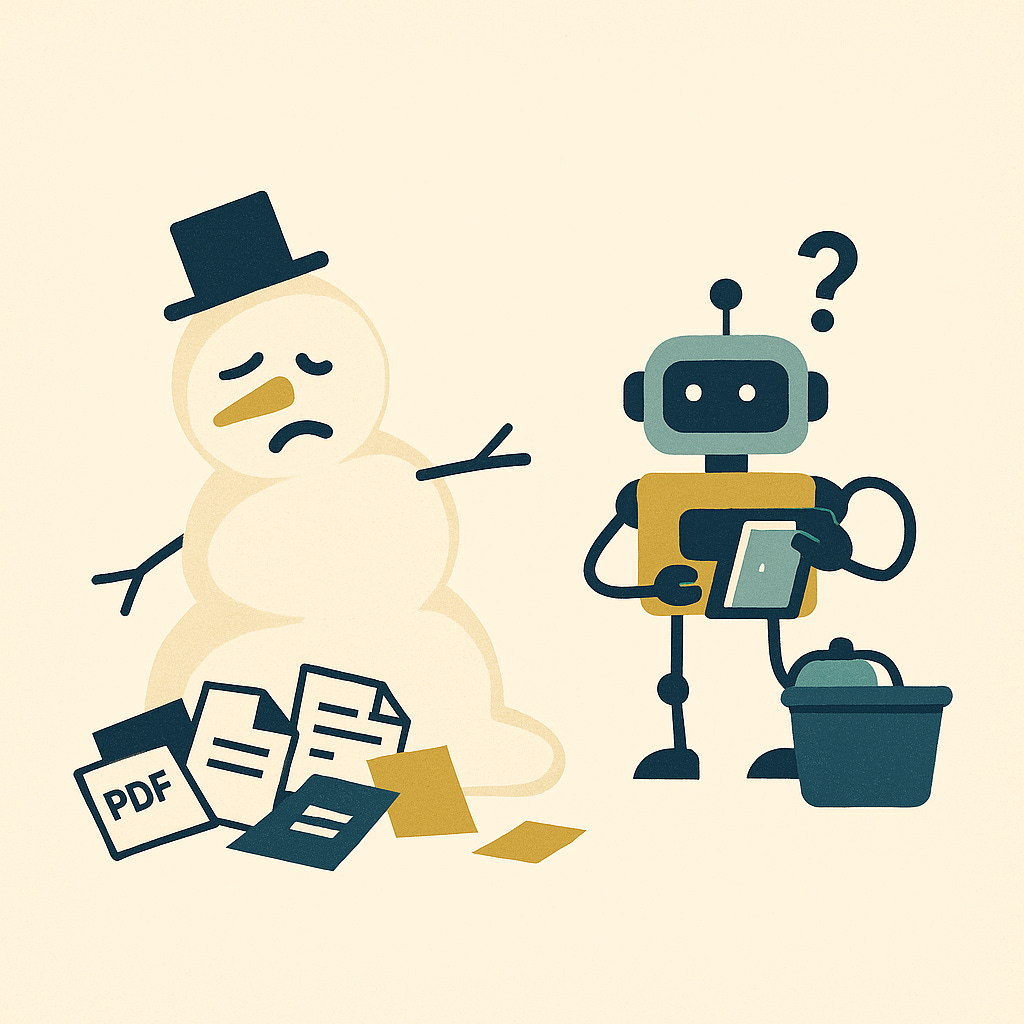
AI Fails When Content Has the Structural Integrity of a Half-Melted Snowman
According to the MIT findings, companies toss PDFs, wikis, slide decks, and assorted mystery documents into AI tools and expect reliable answers. That’s like expecting a Michelin-star meal when the only ingredients you brought home from the grocery store are two bruised bananas and a packet of oyster crackers.
AI needs:
Structure
Clarity
Metadata
Version control
Consistent terminology
Without those, LLMs do what humans do in the same situation—guess. Badly.
Technical writers have been preaching this for decades. We knew “throw content at it and hope for the best” was not a scalable strategy long before generative AI became the world’s favorite shiny object.
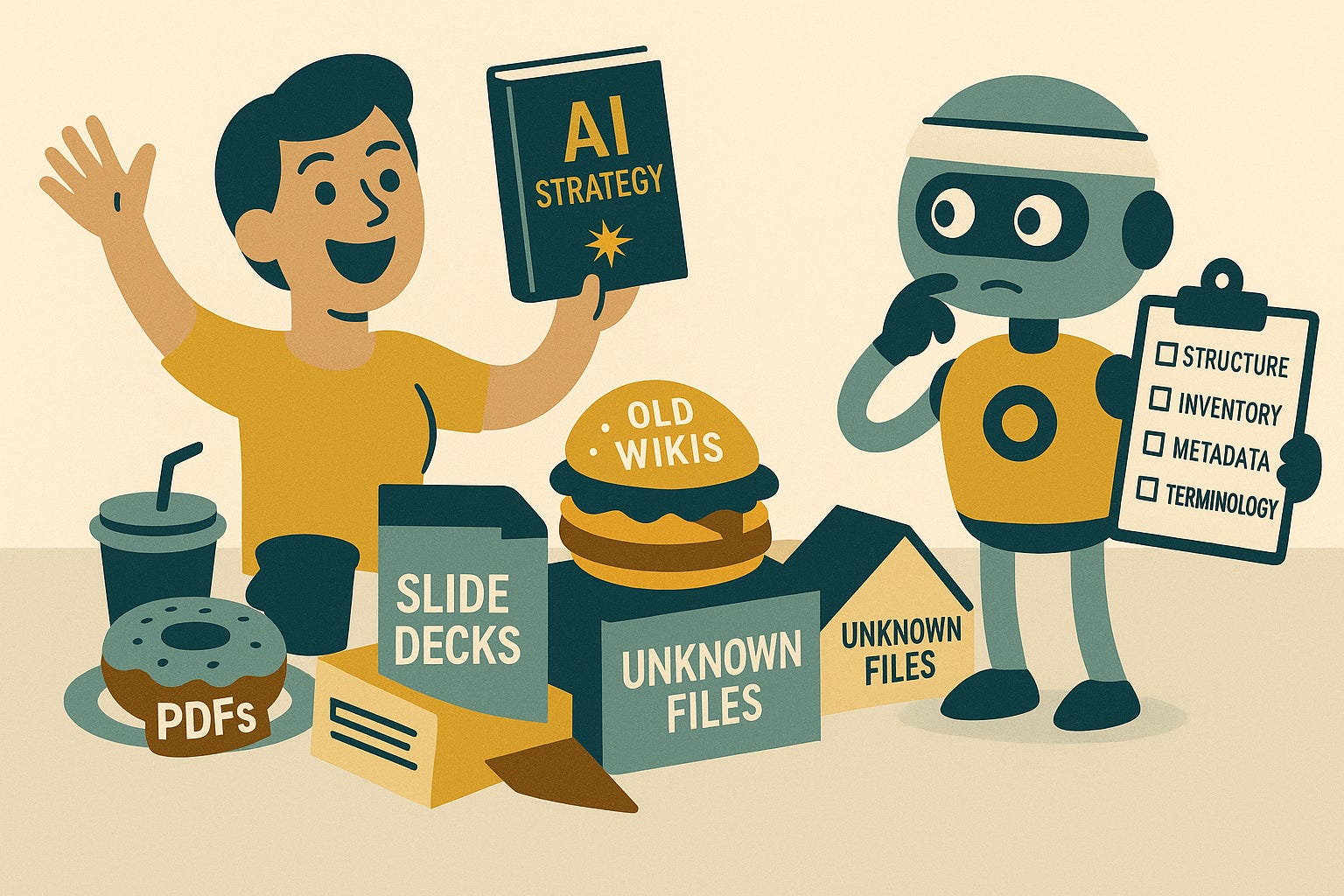
Companies Launch AI Pilots the Way People Start Diets: With Enthusiasm and No Plan
The research highlights another classic pattern: teams rush into AI because someone heard about “transformational value” during a keynote, but nobody paused to ask basic questions like:
What problem are we solving?
Is our source content consistent?
Do we even know where all our content lives?
Should we fix any of this before building the future?
By skipping content operations, organizations create pilots destined to fail — pilots that cost money, time, and at least three internal presentations where someone says “synergy” without irony.
Technical writers already build content inventories, style guides, taxonomies, and structured authoring environments. If companies involved writers earlier, they’d spend less time reporting pilot failures and more time scaling successes.
Most Pilots Don’t Fail (They Never Had a Chance to Succeed)
The MIT report shows that many AI pilots were not designed with success criteria, governance, or production-grade content. They were designed with hope. And hope—while emotionally satisfying — is not an operational strategy.
When results disappoint, leaders blame “AI limitations,” rather than acknowledging the more awkward truth: the system relied on content that looked like it had been assembled by a committee that doesn’t speak to each other.
Technical writers can help fix that by:
Designing modular, machine-friendly content
Governing terminology
Adding metadata and structure
Creating models that support retrieval and reasoning
Partnering with AI, product, and engineering teams early
In short, writers provide the discipline AI needs but cannot request politely.

AI Will Only Work When Documentation Stops Being Treated Like Emotional Labor
The MIT research frames generative AI as a strategic asset that requires operational maturity. That maturity lives in documentation teams — teams who often get involved only after pilots collapse, like firefighters arriving to discover the house was built from paper mâché.
When AI becomes part of the product (fueling chatbots, search experiences, in-app guidance, and autonomous agents) technical writers move from “nice to have” to “everything collapses without you.”
This shift requires:
Content designed for both humans and machines
Clear models, terminology, and metadata
Rigorous governance
Collaboration across disciplines
AI won’t replace writers. But AI will absolutely expose who has been ignoring writers.

What Tech Writers Can Do Now (Beyond Mildly Smirking at the 95% Statistic)
Here are six steps writers can take—practical, empowering, and yes, slightly satisfying:
Build an authoritative inventory
Identify what’s trustworthy, what’s outdated, and what should be escorted off the premises.
Advocate for structured authoring
AI thrives on clean, modular, governed content. Chaos is not a data strategy.
Establish terminology
LLMs cannot magically intuit what your team calls things. Sometimes your team cannot intuit that either.
Create agent-friendly content models
Structure and metadata turn content from “text” into “knowledge.”
Partner early
If you’re invited late, ask for a time machine. Otherwise, insist on being embedded from the start.
Document limits
Telling AI what not to answer is just as important as telling it what to answer.
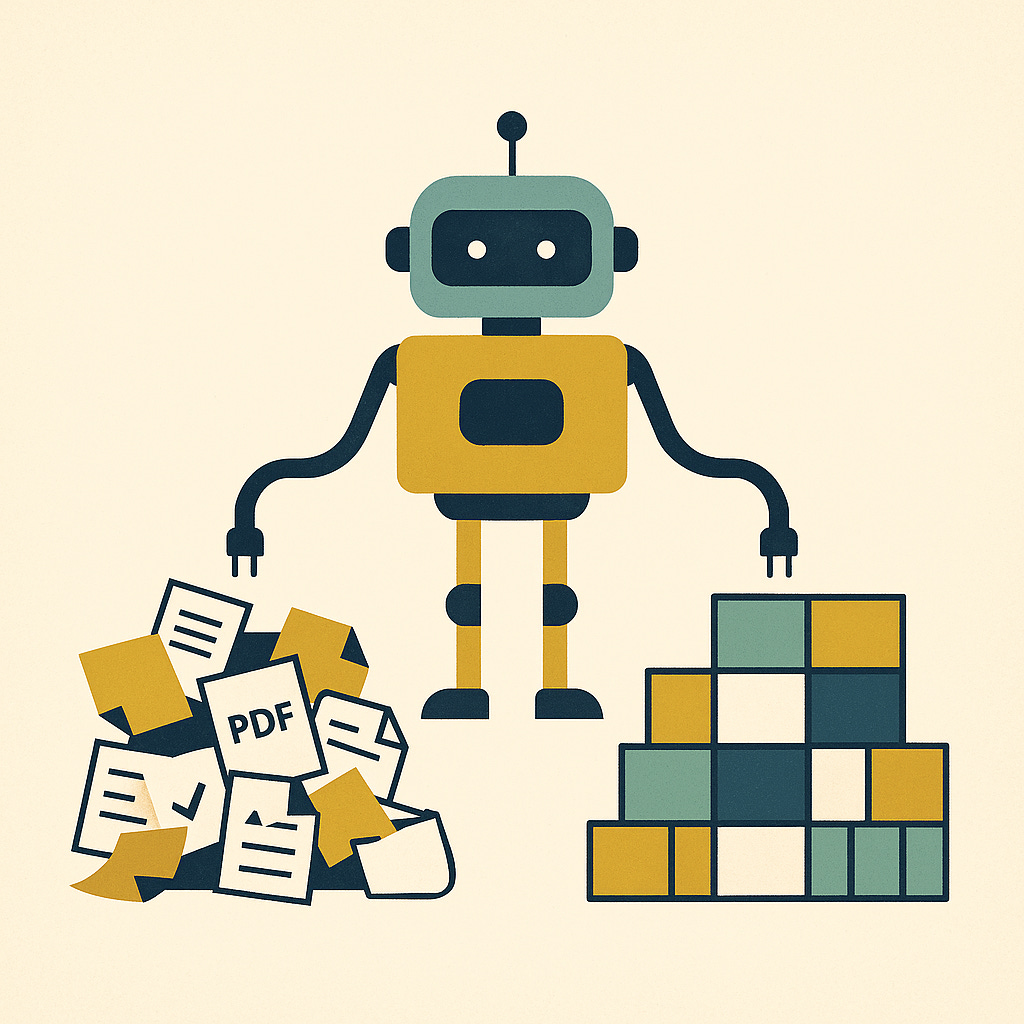
AI Isn’t the Problem—Your Content Operations Are
The headline statistic—95% failure—makes it sound like AI is misbehaving.
But the truth is simple: AI cannot succeed if the content behind it isn’t designed to support it.
Companies that invest in content operations, structured authoring, terminology governance, and documentation content strategy will see AI deliver real value.
Companies that don’t will keep running pilots whose primary output is disappointment.
Technical writers are the missing ingredient—not the afterthought. And unlike most AI pilots, that’s a story with a strong chance of success. 🤠