

Documentation is rarely a secret. In most organizations, the content we write and manage is intended to be shared — within teams, across departments, across channels. But when documentation is secret, it becomes a very different beast.
If it escapes, it doesn’t just risk embarrassment or confusion — it can be weaponized.
A real-world example
A recent case illustrates the stakes. According to the Prosecutor General’s Office of Ukraine, a foreign national who entered Ukraine in 2022 attempted to obtain and transfer classified technical documentation for a Ukrainian aircraft, offering about US$1 million to a state enterprise engineer.
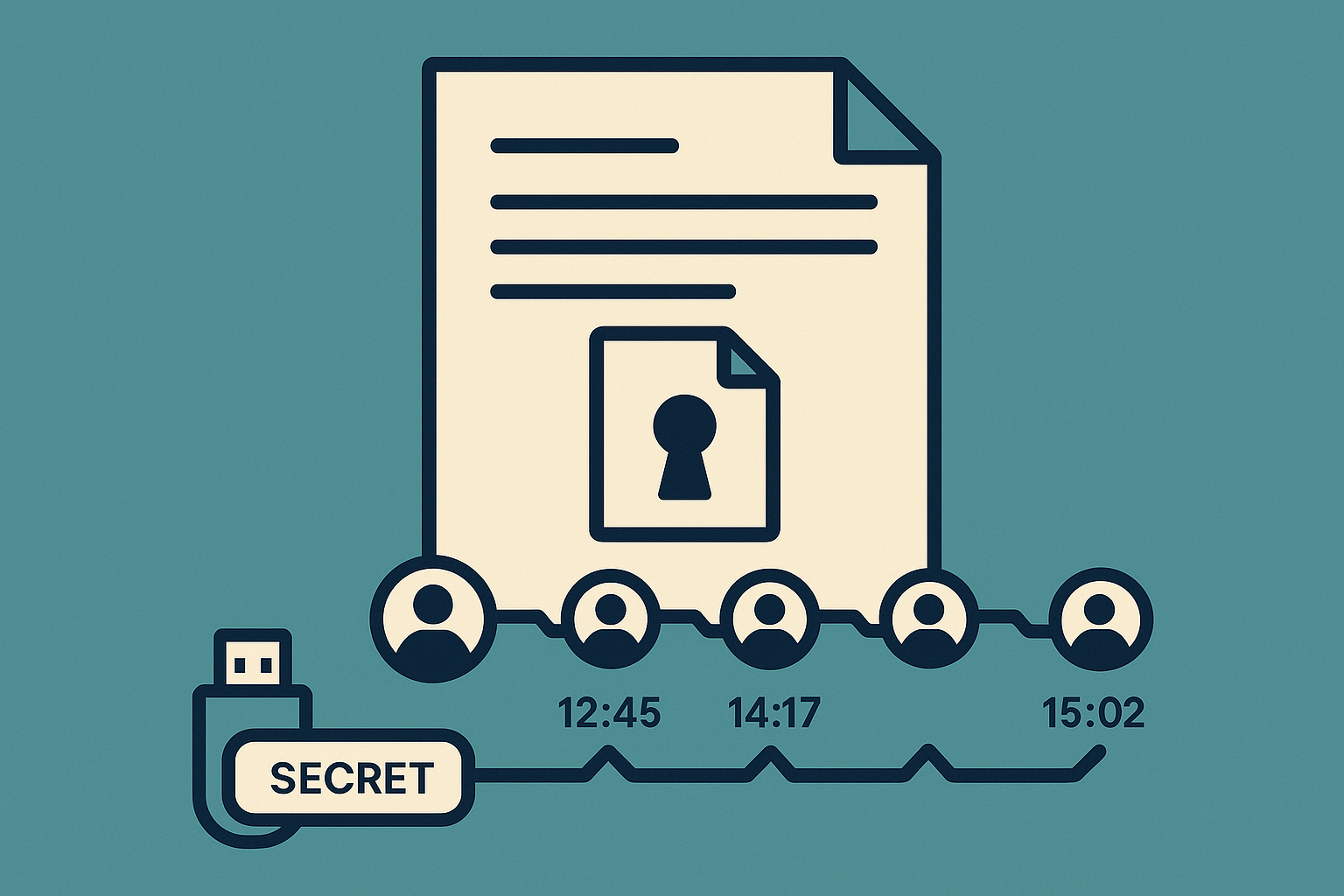
The engineer handed over a flash-drive marked “Secret” containing state-secrets, and the agent was promptly detained by the Security Service of Ukraine. The court convicted the individual under Part 1 of Article 114 of the Criminal Code of Ukraine (espionage) and sentenced him to six years in prison.
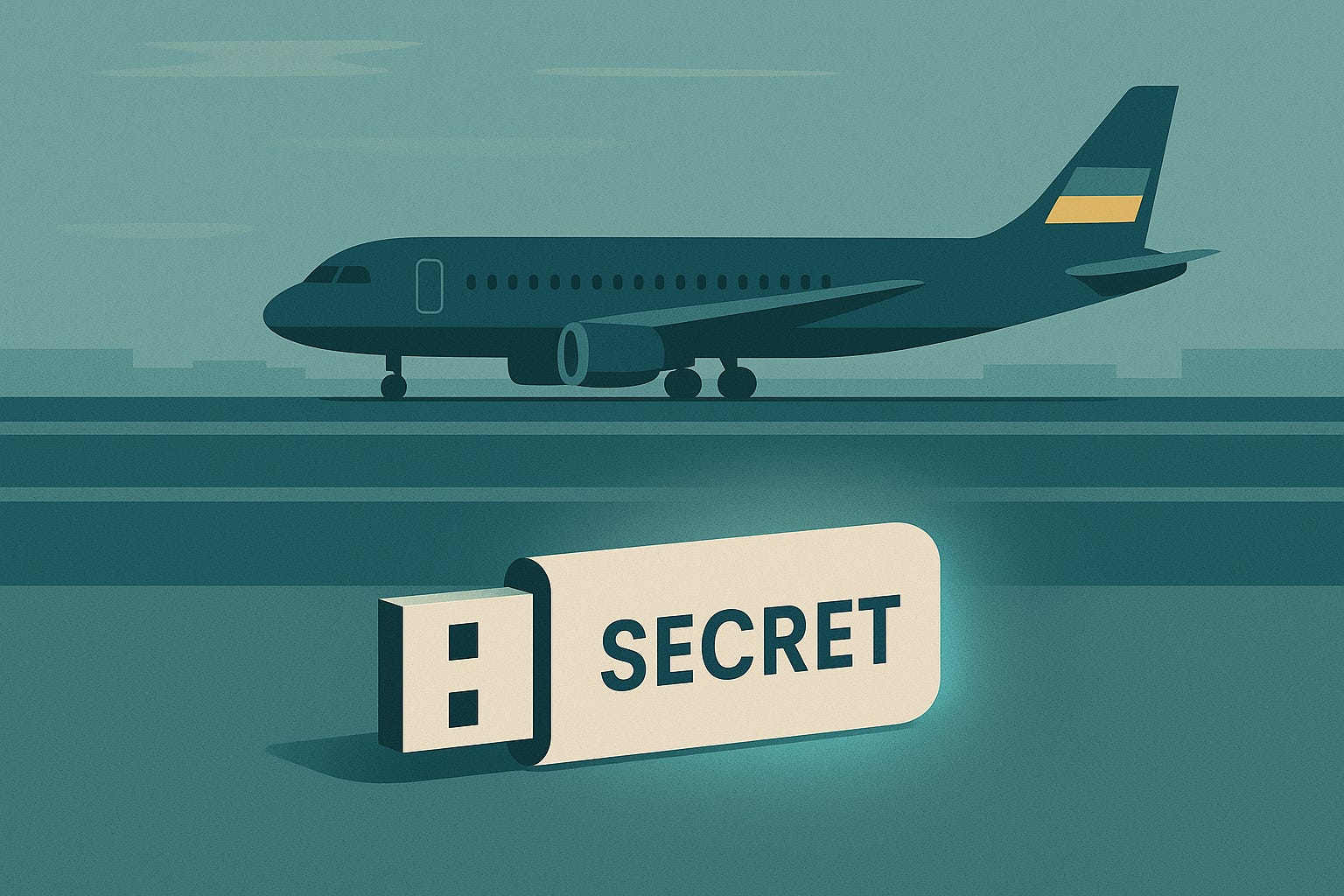
In short: documentation for a technical system — intended for legitimate authors, internal users, or maintenance engineers — became an intelligence asset, a breach point, and a legal matter.
Why this matters for technical writers
Even if you’re not writing military-specification manuals, as technical writers you occupy a critical space in the content lifecycle: you author, structure, review, version, publish, and govern technical content. Here are the implications:
Classification awareness – Knowing whether content is public, internal, confidential, or secret is more than semantics. It changes how the content is handled, stored, accessed, and eventually disposed of. In the Ukrainian case, the files were labeled “Secret” and designated as state-secrets.
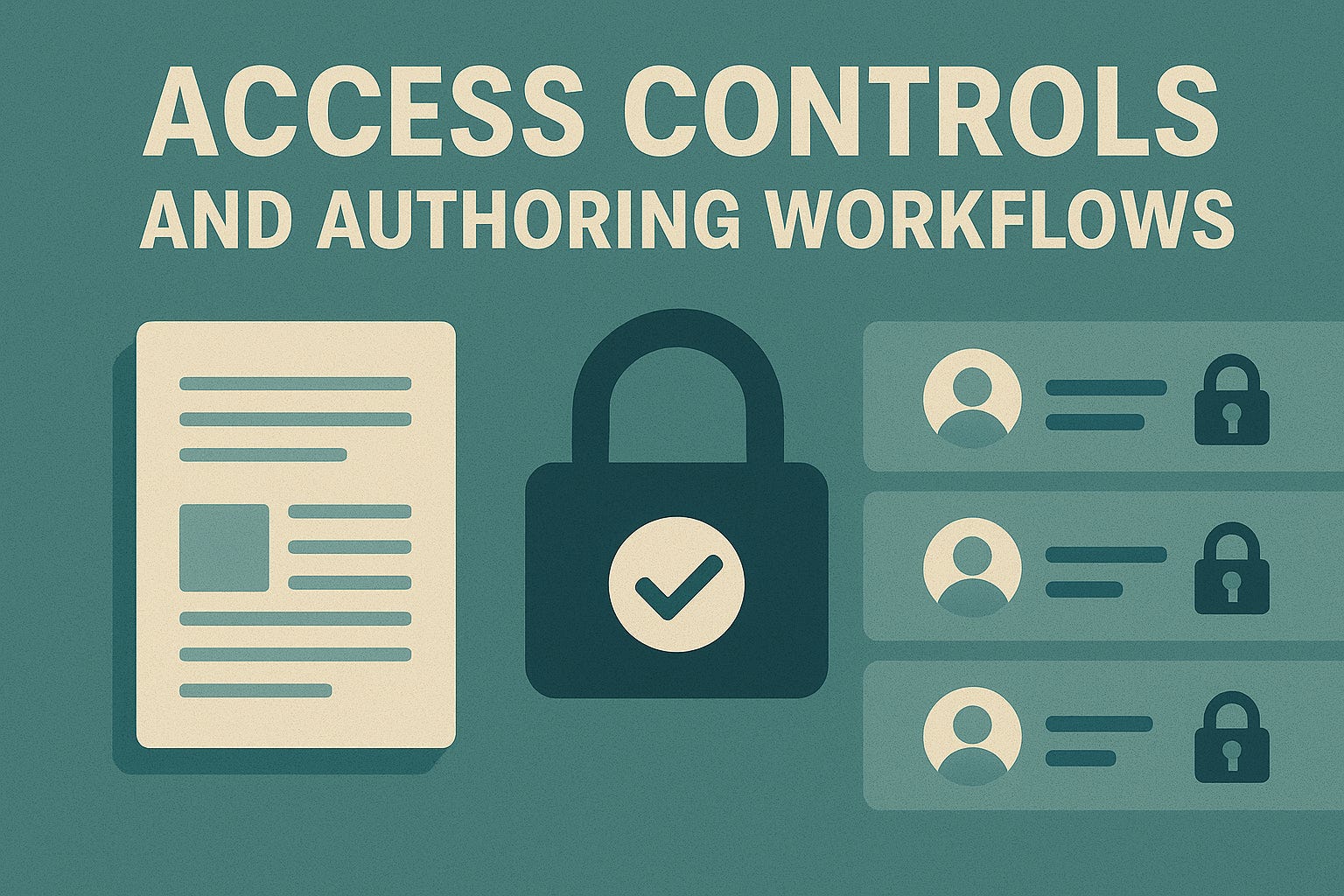
Access controls and authoring workflows – Who can create, edit, approve, store, or export documentation? Are there appropriate checks (e.g., content marked as secret requiring multi-party review, compartmented access, audited version histories)?
Versioning and distribution risk – Documentation gets reused, repurposed, exported, shared. If secret content gets exported (for example on a USB stick, email attachment, cloud share), it can become a liability. The Ukrainian case involved a flash drive physically handed over.
Retention and destruction – How long does secret-level documentation live? After the product or system is retired, is the documentation still held securely? If no, the long tail of risk remains.
Audit trails and traceability – If something does go wrong (leak, unauthorized access), can your team trace who changed what, when, and where? Good documentation operations include such trails.
Training and writer culture – Many technical writers assume their job is about clarity, usability, and structure — not about security. But when documentation is sensitive, writers must partner closely with security, legal, and governance functions.
Content reuse in regulated/defense contexts – If your organization is in regulated industries (defense, aerospace, critical infrastructure, government contracting), the consequences of mismanaging documentation escalate from “oops” to “espionage risk”. The Ukrainian case highlights that shift.
Questions for your documentation operation
To move from general awareness to action, ask your team (or ask yourself) these questions:
Do we have a classification scheme for documentation (e.g., public/internal/confidential/secret)?
For each classification level, have we defined handling rules (creation, access, storage, export, destruction)?
Are authors, editors, reviewers made aware of classification rules and the consequences of mishandling?
When we reuse content (for example lifting specs from one product to another), are we verifying whether the source content is still within permissible classification?
Are external storage or portable media (USB drives, personal laptops, cloud services) restricted or controlled when dealing with sensitive documentation?
Do we audit who has accessed or exported sensitive documentation?
Does our content management system or Component Content Management System (CCMS) support restricting access to classified flows, or tagging documents by classification?
Does our documentation licensing, distribution, and archiving policy account for sensitive documentation lifecycle (including final disposal)?
Do we have incident-response protocols for documentation leaks (even if unintentional)?
A role for writers in the security chain
Technical writers may not often think of themselves as gatekeepers of state-secrets. But in a broader sense, documentation is a critical asset. Writers can influence the process in these ways:
Advocating for metadata discipline: each document version should carry classification metadata, revision history, and handling instructions.
Embedding access and export warnings: When creating or editing content, writers can flag sensitive modules (“Handle under controlled access: internal only”, “Do not export to removable media”, etc.).
Collaborating with security/governance teams to review content for classification drift: A document originally marked internal may later become confidential or secret if system aspects change. Writers noting new context can trigger review.
Helping define safe reuse rules: If content is reused across products, writers can help ensure that reuse doesn’t inadvertently downgrade or mis-classify material.
Building audit awareness: Writers know the content workflows—so they can help identify where versioning, branching, or export processes might introduce leak risks.
Conclusion
The recent case in Ukraine is a stark reminder that documentation is not always innocuous. Technical documentation (even if seemingly benign) can become a high-value target if it covers systems of strategic importance. As technical writers, you hold a pivotal role: ensuring clarity and usability — and also ensuring careful governance, controlled access, and secure distribution when content is sensitive.
One sentence to take away:
When documentation must be secret, our workflow must treat it as a risk asset—not just as a content deliverable. 🤠