

Getting a machine to spit out a pile of plausible-looking output is not the same as doing the work well.
Tech writers should pay close attention to this distinction, because it applies to us just as much as it applies to software designers.
Christopher Noessel (follow him on Medium) recently shared an interesting reflection on using Anthropic’s Claude Design. He started with what seemed like a harmless experiment. He issued a design-related challenge to the tool and asked it to generate wireframes (low-fidelity, black-and-white structural blueprints focusing on page layout and functionality) and comps (high-fidelity, polished mockups showing the final visual design, colors, and typography).
Compared with another tool he had tried previously, the results were better. But better didn’t mean useful. Instead of helping him think through the problem, the AI handed him a large dump of finished-looking artifacts. And that, he realized, was the problem.
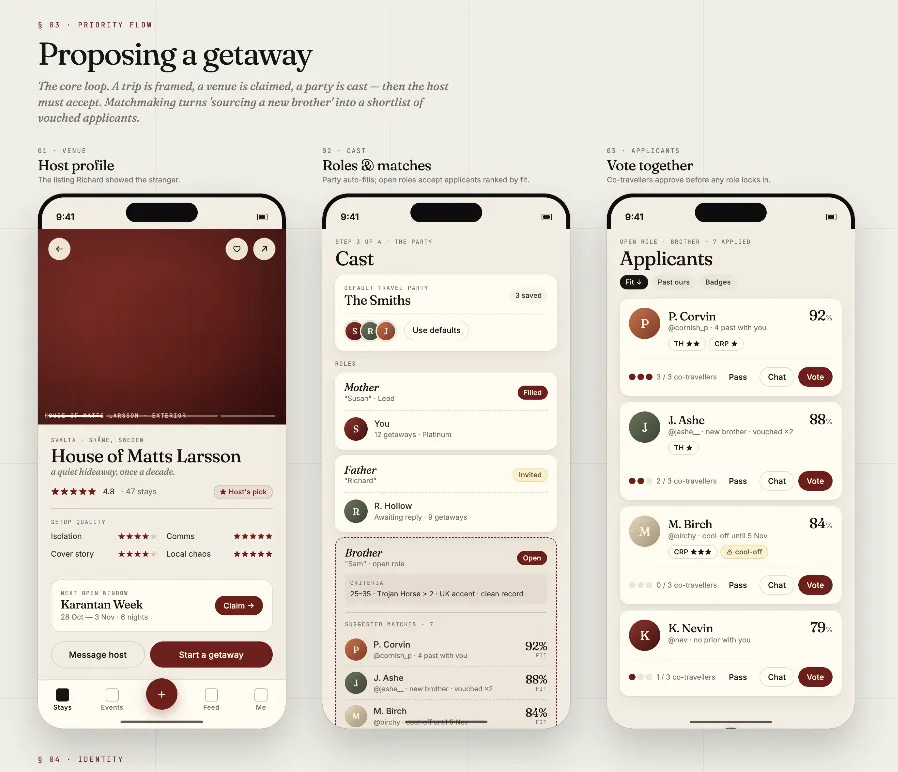
Too Much Output Creates A New Challenge
The output looked impressive, but it did not help him understand the decisions behind it. For instance, it didn’t help him evaluate whether the work was sound. It didn’t build confidence, instead it just created the familiar modern sensation of being handed too much stuff too fast and being expected to clap. 👏
That insight should feel very familiar to tech writers.
