

Technical writers trying to make sense of AI are being asked to perform a balancing act. One minute, we’re told AI will speed everything up, reduce friction, and transform the business. The next, we’re warned not to trust a word it says without checking the output like a suspicious aunt reviewing a cashier’s math. Then, before lunch, somebody wants to know why the chatbot gave a customer three different answers to the same question, all of them polished, plausible, and at least one of them, wrong — in a way that could create work for Support, Product, and possibly Legal.
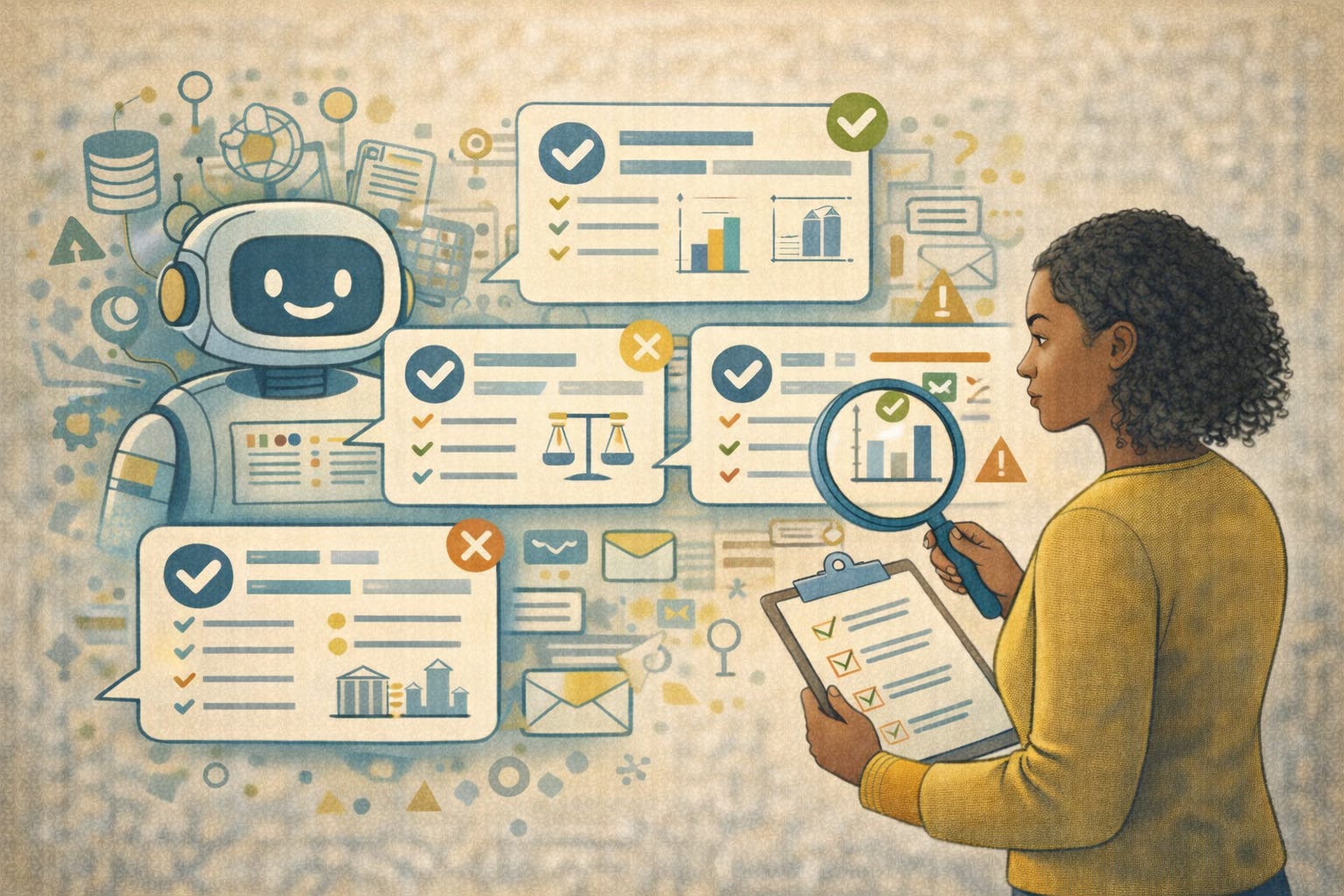
That’s where the idea of a content integrity model becomes useful. It isn’t a formal standard with a grand governing body and a tasteful logo. It’s a practical way to think about whether the content feeding AI systems deserves to be trusted in the first place. Put plainly, it asks the questions technical writers should’ve been asking all along: where did this information come from, who verified it, is it still current, does it agree with related content, and can anybody trace how it got approved?
What the Content Integrity Model Actually Means
At heart, the content integrity model (as presented by Rahel Anne Bailie) is less a branded framework than a disciplined habit of mind. It treats content as something that must be trustworthy before it can be useful, especially now that machines are reading, summarizing, and repackaging it for other people. It pushes you to look at content not merely as words arranged into a page, but as an asset with a source, a history, an owner, and consequences.
That matters because AI systems are very good at sounding sure of themselves even when they’re spectacularly wrong. They don’t hesitate and they don’t blush. They don’t bother to stop and say, “This section was last updated five years ago, so perhaps let’s proceed with caution.” They just produce answers with the confidence of a man explaining the health benefits of a supplement he found in a podcast ad.
If our underlying content is weak, generative AI output won’t improve. It’ll just become a smoother, faster delivery mechanism for confusing information.
Why This Matters More Now Than It Did Before
Before AI entered the chat, our not-so-good content mostly stayed where it was. A stale help page remained stale. A contradictory procedure confused only the unlucky few who stumbled upon it. A vague warning sat quietly in the corner, radiating menace (but not doing much until someone tripped over it.) The damage was real, but it was often localized.
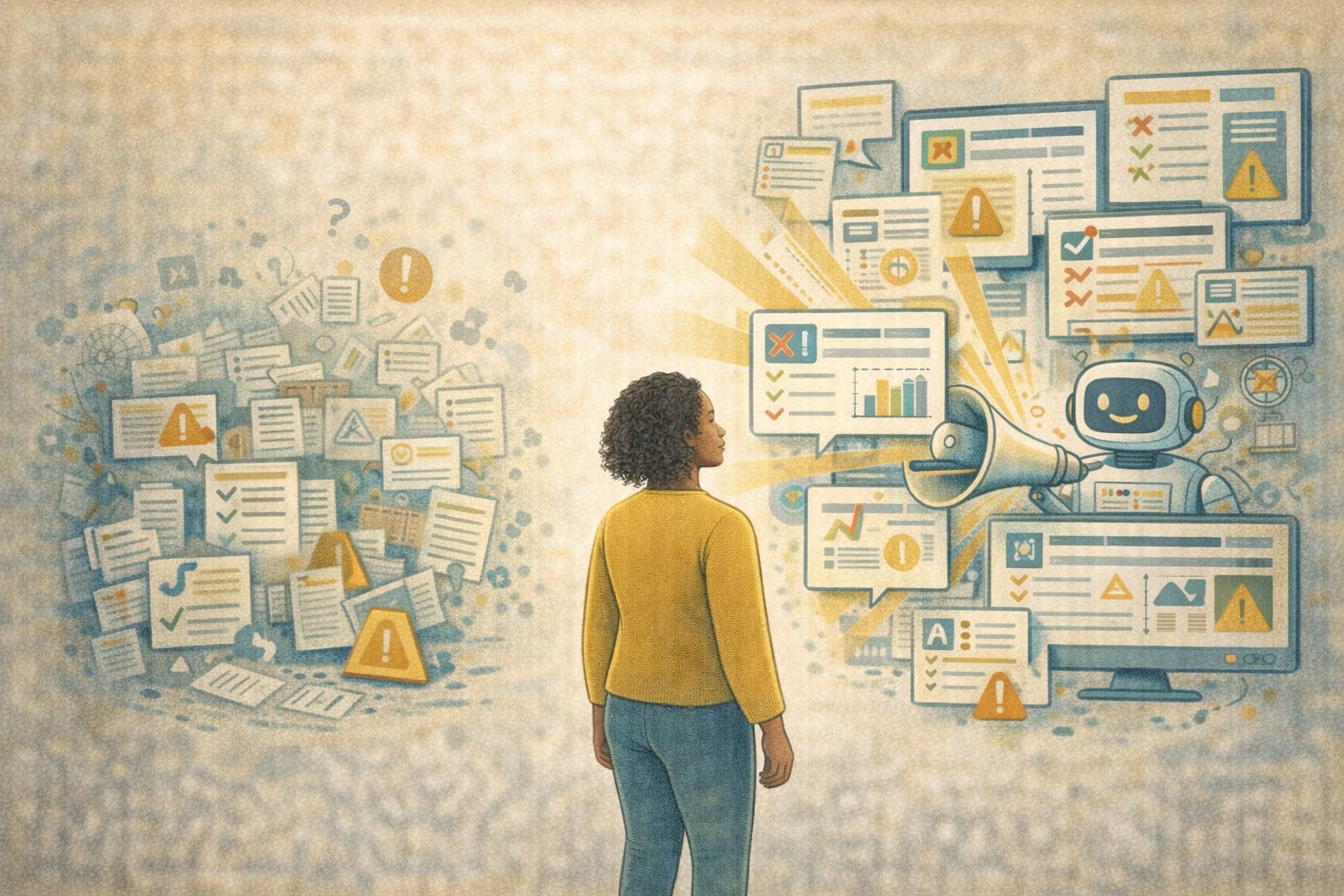
AI flips the script. Once machines begin reading our content and turning it into answers, summaries, or guided experiences, our weak source content doesn’t stay politely tucked away. It gets amplified. Contradictions surface faster and gaps become more, well…obvious. Outdated docs get handed to our users as though they just came down from a mountain on stone tablets.
