

Epistemology is the study of how we know what we know. It asks annoying but useful questions like: What counts as knowledge? What makes something true? How do we know a claim is reliable? When should we trust a source, a process, a person, or a system?
That may sound like philosophy-class material best left to people wearing scarves and speaking in paragraphs no one asked for. But tech writers deal with epistemology all the time.
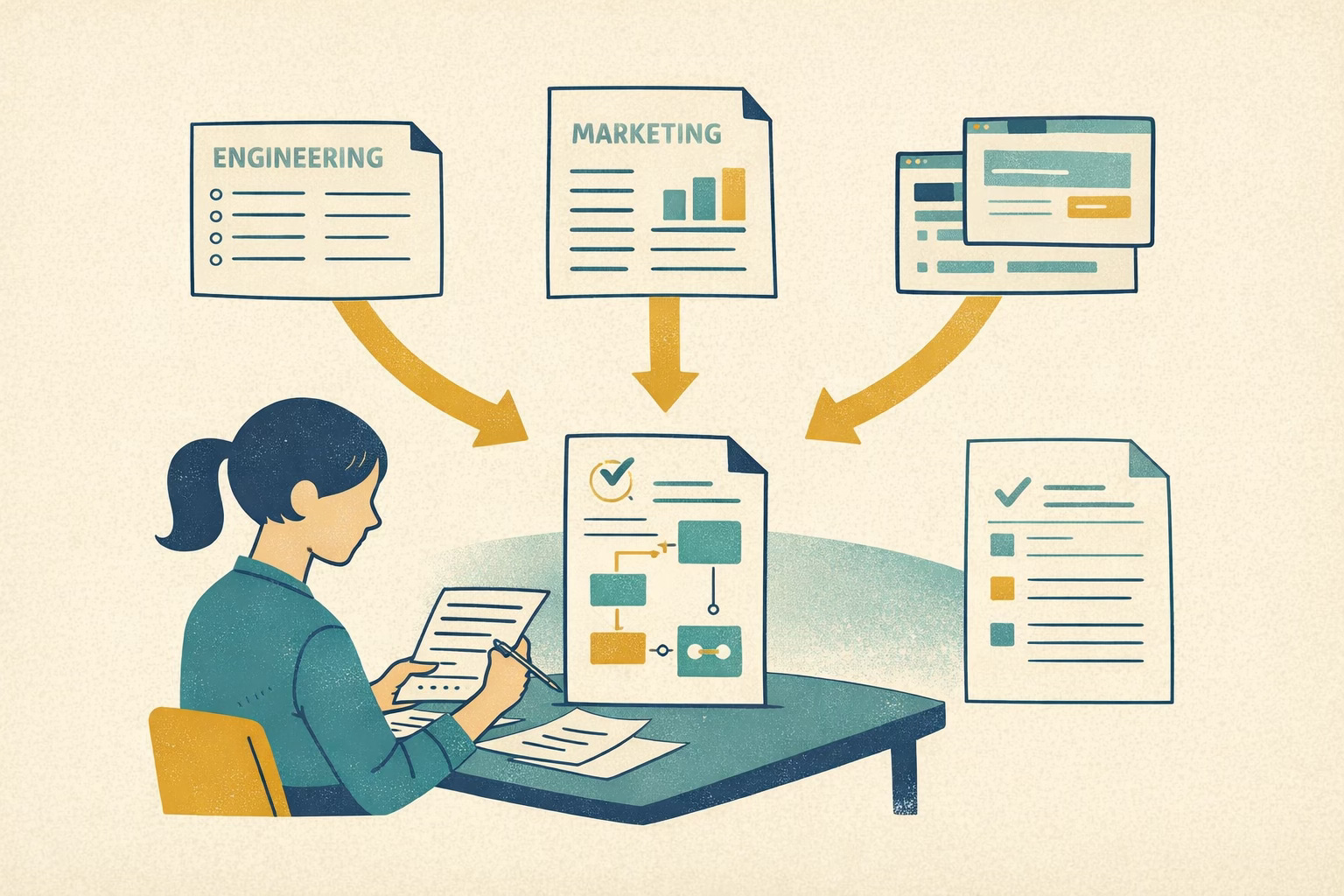
Every time we ask a subject matter expert to verify a procedure, question whether two sources conflict, decide which version of the truth belongs in the manual, or try to separate official guidance from tribal folklore, we’re doing epistemic work. We’re not just writing things down; we’re evaluating claims, testing evidence, identifying authority, and deciding what the reader should be able to trust.
That matters even more now that AI systems increasingly consume and remix documentation. If the source content is vague, inconsistent, poorly governed, or based on undocumented assumptions, the machine may produce fluent nonsense with the confidence of a man explaining wine in a restaurant. Epistemology helps writers think more clearly about provenance, evidence, certainty, and trust.
In practical terms, tech writers need epistemology because documentation is not just about expressing knowledge. It is about deciding what knowledge deserves to be expressed, how firmly it can be stated, and what supports the claim. In other words, good documentation does not just tell users what is true. It helps ensure the truth has not been assembled from guesswork, vibes, and somebody’s half-remembered Slack message.
A strong documentation practice is, in part, a disciplined way of knowing. That is why epistemology belongs in the conversation. 🤠