

If ontology is the part of the conversation where everyone argues about what things are called, epistemology is the part where someone eventually raises a hand and asks, “That’s lovely, but how do we know any of this is actually true?”
Epistemology is the study of knowledge: how we know what we know, what counts as justified belief, what makes something trustworthy, and how we tell the difference between facts and the things that Chad from Product wrote on Slack three months ago with tremendous confidence and no supporting evidence.
Technical Writers Do This Already
For those of us who create product documentation for a living, epistemology lives at the center of our job, whether anybody uses the word or not. Every time you ask which source is authoritative, question whether a screenshot is current, push back on conflicting SME feedback, or wonder why the UI says one thing while engineering insists it says another, you are doing epistemology.
You are trying to determine what deserves to be believed (and what doesn’t).
That may sound suspiciously philosophical for a profession that also involves chasing version numbers and begging subject matters experts to review drafts, but philosophy sneaks into the work more often than most people realize. Documentation is full of judgment calls about evidence, trust, and authority.
The job isn’t (and has never been) only about writing clearly. It’s about deciding what is solid enough to write down in the first place.
Why It Matters More In An AI World
In an AI-powered documentation environment, epistemology is not optional. It is the difference between a knowledge system and a hallucination vending machine.
AI can generate answers that sound polished, plausible, and entirely divorced from reality. It doesn’t wake up in a cold sweat worrying about source content integrity. Nor does it stop to pause and think, “Perhaps I should verify whether this workflow changed in the last release.” It predicts likely language. That is its special skill.
Truth is yours.
So when we establish review processes, define source-of-truth systems, track provenance, maintain governance, and decide what content should feed an AI assistant, we’re doing more than content management. We’re building the conditions under which knowledge can be trusted.
What Epistemology Looks Like in Documentation
This isn’t just an airy concept for people who own elbow patches and enjoy saying “framework” before lunch. In documentation, epistemology shows up in plain, daily work.
It appears when we ask who on our team approved a procedure and whether that approval still stands. It appears when we compare what engineering says with what support says and realize they’re not the same things. It appears when we flag outdated content, challenge assumptions, verify a workflow in the product itself, or insist that a chatbot should not draw from unreviewed draft material just because it happens to be sitting in a repository looking 👀 available.
Epistemology is the discipline behind the question: why should anyone trust this answer?

Production and Delivery Both Live or Die by It
Epistemology matters to both documentation production and delivery.
Production is where wew decide what gets in, what stays out, who signs off, what evidence supports the claims, and how contradictions get resolved. Delivery is where those decisions either hold up beautifully or collapse in public like a folding chair at a church picnic.
A chatbot, search engine, help portal, or embedded assistant can only be as trustworthy as the knowledge discipline behind it. The delivery experience may look sleek and appealing, but if the content feeding it is outdated, unverified, contradictory, or based on corporate folklore, the user loses. And usually in a hurry.
The Real Job Beneath the Writing
Tech docs aren’t there to look organized in a repository. They’re there to help somebody do something correctly. Install the thing. Fix the problem. Configure the setting. Avoid the outage. Survive the compliance audit without developing a facial twitch.
None of that works well unless our information is accurate, current, and defensible.
Put bluntly, epistemology is how tech writers keep “helpful” from becoming “dangerously approximate.”
Why This Makes Tech Writers Harder to Replace
So the next time somebody implies that we’re just polishing sentences while the machines handle the smart stuff, feel free to smile in that weary, spiritually exfoliated way tech writers do.
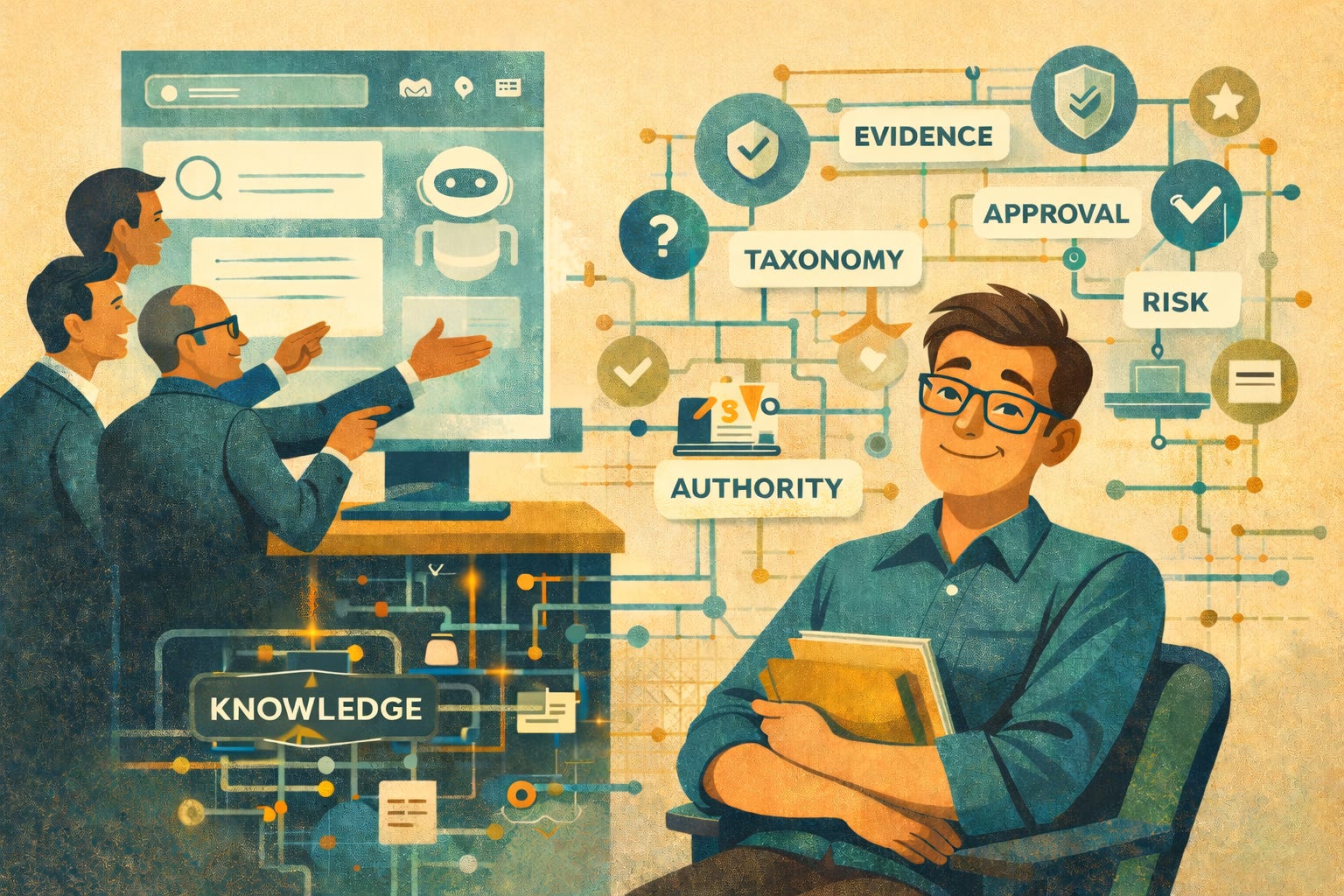
Then explain that somebody still has to determine what counts as knowledge, which sources are authoritative, which answers are safe to deliver, and how the system knows the difference between official guidance and random corporate folklore.
That somebody is you!
And that is epistemology. 🤠