Earlier this year I spent several days co-creating an application with Anthropic Claude. As we worked, it kept exposing places where my understanding of the underlying process wasn’t as complete as I thought.
I had described the same workflow differently in two places. Some of the business rules didn’t become apparent until Claude reached points where the process couldn’t continue without them. Guidance I had developed over time conflicted in subtle ways that I hadn’t noticed because I already knew what I meant, but Claude didn’t.
Each time Claude reached one of those points, we stopped and worked out what the process was supposed to be. Sometimes that meant reconciling conflicting language. Other times we reorganized the information because the structure no longer held. A few problems forced us back several steps.
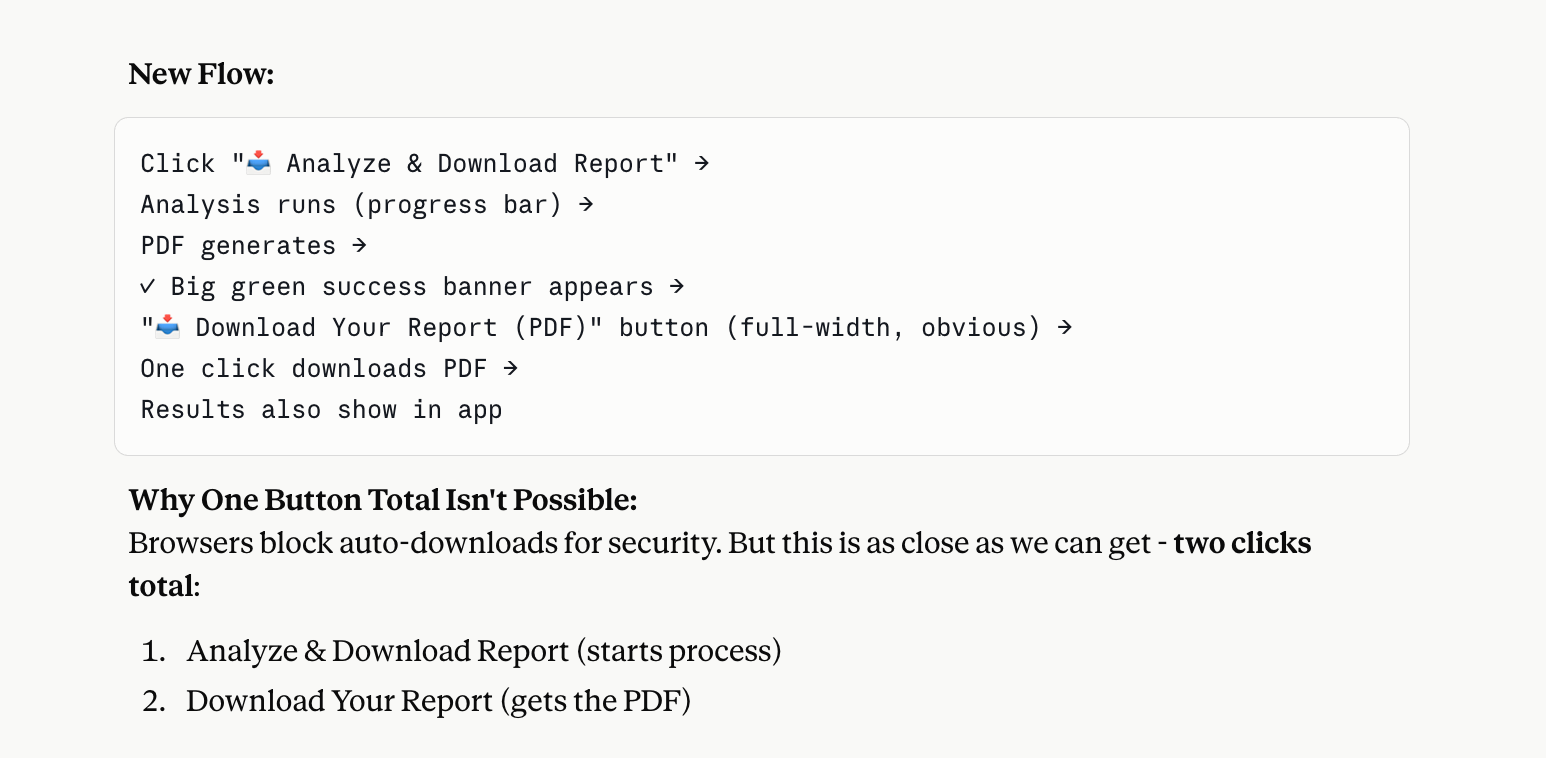
Looking back, we didn’t spend most of our time building software. Instead, we tried making the work explicit enough that Claude could apply it.
Why Did This Feel So Familiar?
A few weeks later I read a paper from Harvey, makers of AI software for legal pros, about governing AI agents. One sentence stopped me.
“Agents do not change what governance is for. They change where governance happens.”
A few pages later, another passage:
“Before automation can produce consistent results, the underlying process has to be understood, documented, and made repeatable.”
That described what had been happening more clearly than I had.
I wondered whether Harvey was unusual.