

If you work with the Darwin Information Typing Architecture (DITA) — or plan to in the future — you likely to hear the word topic constantly. It sounds obvious; until you try to explain it to someone outside the DITA world, or worse, to someone who thinks a topic is just “a page” or “a section.” It isn’t.

A DITA topic is a small, self-contained unit of information designed to answer one specific user need. Not a chapter. Not a document. Not a dumping ground for everything related to a feature. One purpose. One job.
A DITA topic has three defining characteristics
1. It has clear intent
Every DITA topic exists to do exactly one thing: explain a concept, describe a task, or provide reference information. This is not an accident. DITA enforces intent through information typing—most commonly concept, task, and reference.
Related: Understanding DITA Topic Structure
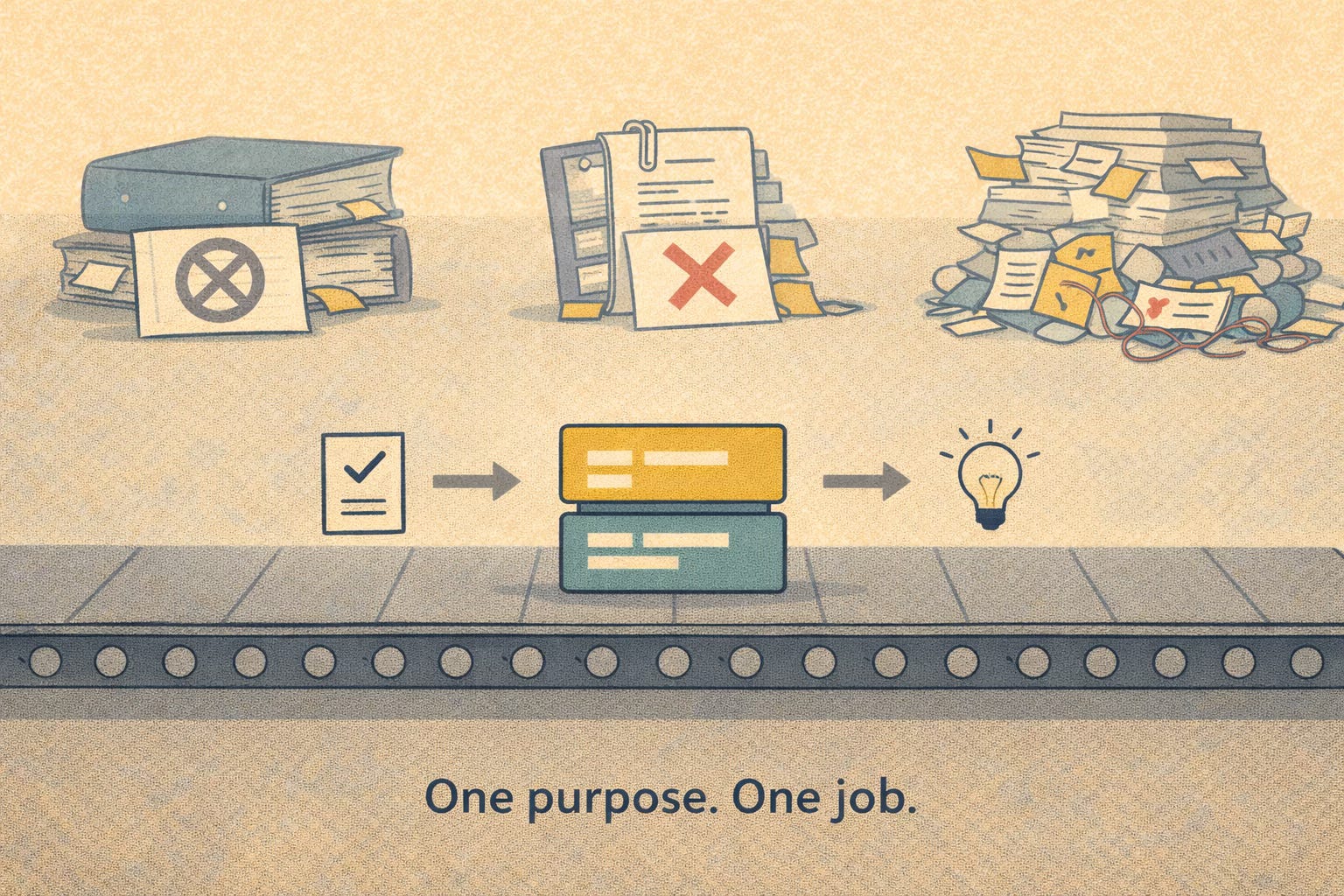
That constraint forces writers to decide why the content exists before writing it. Is the user trying to understand something? Do something? Look something up?
📌 If you cannot answer that question, you do not yet have a topic.
This is one of the reasons DITA content works so well with search, delivery platforms, and AI systems. Intent is explicit, not implied.
2. It Stands on Its Own
A DITA topic is designed to be meaningful outside the context of a book or manual. Someone might encounter it through search, a chatbot, an embedded help panel, or an AI answer engine. Regardless of how they encounter it the topic must still make sense.
That means no “as described above,” no unexplained acronyms, and no reliance on surrounding pages or section headers to fill in critical gaps. Context travels with the topic through metadata, structure, and reuse — not through proximity.
This independence is what enables reuse at scale without copy-and-paste chaos.
3. It’s Structurally Predictable
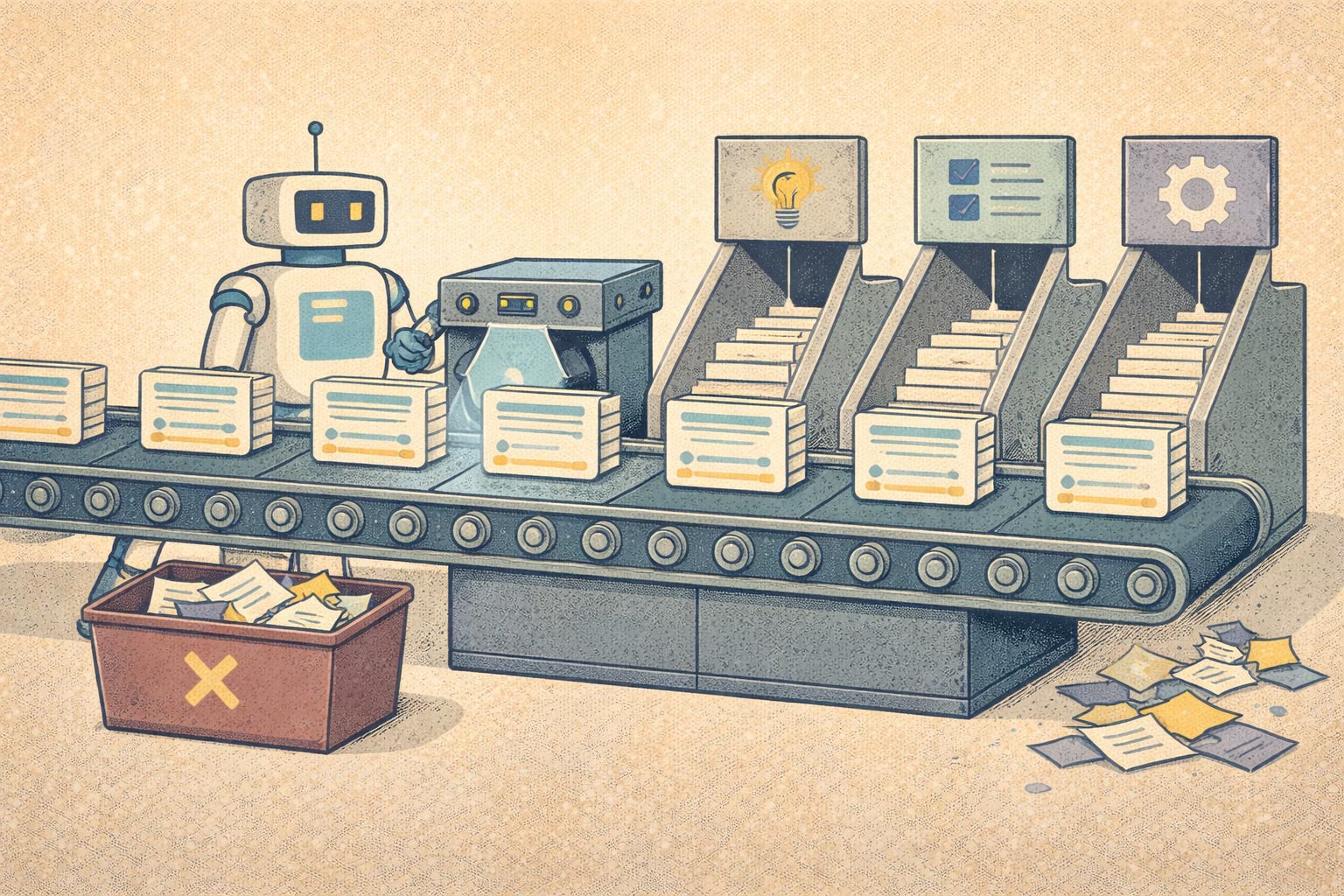
A DITA topic follows a consistent structural pattern: a title, a body, and clearly defined elements inside. Tasks have steps. References have tables and properties. Concepts explain ideas, not procedures.
That predictability is not just for writers; it is for machines (computers, specifically). Structured topics allow systems to classify, filter, assemble, personalize, and deliver content dynamically. This is why DITA topics are increasingly valuable in AI-driven environments.
Large language models do not “understand” documents. They perform far better with small, well-typed, semantically clear units of information.
Why This Matters Now
As search engines turn into answer engines and documentation gets consumed in fragments, the DITA topic becomes the atomic unit of knowledge delivery. Writers who understand how to design strong topics are not just explaining products; they are engineering intent-aware, machine-processable content that feeds knowledge systems.
If you want AI solutions to give users the right answer instead of a plausible one, start with better topics.
If your content:
clearly states its purpose,
uses consistent information types,
exposes relationships through structure and metadata,
AI can reason over it. If it doesn’t, AI guesses.
Structured, semantically augmented DITA content allows AI systems to:
distinguish learning intent from execution intent,
select the right topic type for the moment,
avoid blending procedural steps into conceptual explanations,
reduce hallucination caused by context collapse.
In short, it helps AI choose instead of invent.

What This Means For Tech Writing
Technical writers are no longer just explaining products. They are designing intent-aware knowledge systems.
Every time you:
choose a topic type,
enforce information typing discipline,
add meaningful metadata,
break monolithic docs into purpose-driven components,
you make it easier for AI search engines to deliver the right answer, not just an answer.
In an AI search world, visibility depends less on keywords and more on whether machines can understand what your content is for.
DITA doesn’t just support that future. It anticipates it. 🤠