

Bill Gates‘s August essay on the AI transition made global headlines — news outlets on five continents featured commentary from Gates about the shift — what he called “one of the most turbulent times in human history.” I’ve read a lot of what Gates has written about tech over the years, and I don’t remember another post of his spreading like this.
The world isn't preparing for the transition, Gates argues, but if we handle it well, AI could leave everyone better off.
In his essay, Gates says:
AI could help primary-care doctors catch things they’d otherwise miss, and help patients make sense of test results and medication schedules.
Farmers in low-income countries could get weather, soil, and seed guidance from AI that only famers in wealthy countries get today.
And the paperwork that currently buries families applying for health insurance, student aid, or food assistance could be made much easier to complete with AI’s help.
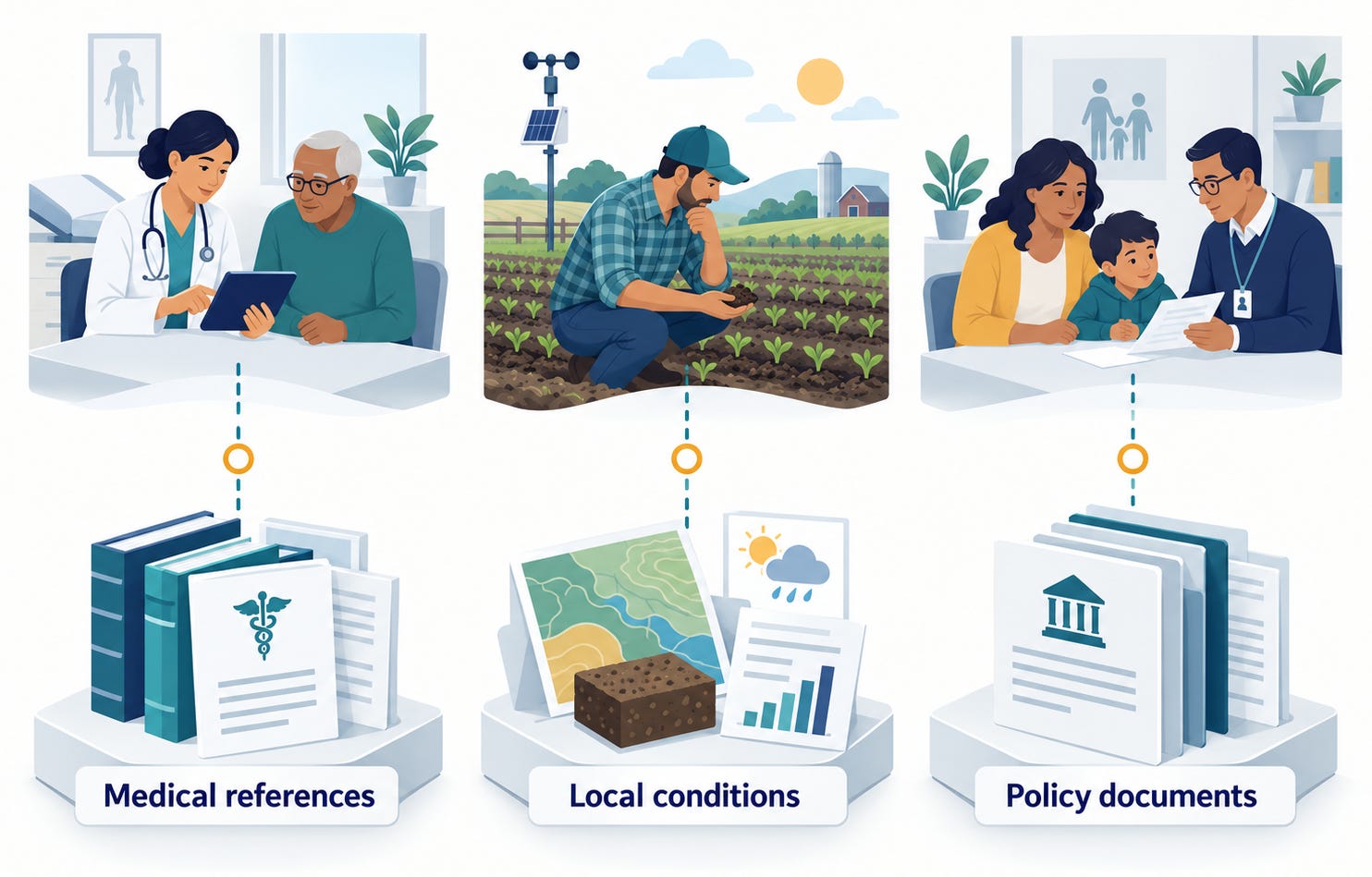
However, none of that will be helpful if the underlying info AI relies upon isn’t right.
A doctor’s AI assistant can only work with the medical reference material it’s able to retrieve.
Farm guidance has to match the actual crop, soil, and local conditions, not a generic template.
A government assistant reconciling a family’s paperwork depends on policy documents that must agree with each other.
Gates is describing what these systems could accomplish. His essay doesn’t examine whether the underlying content can support any of it.
A Neuroscientist On “Productive Friction”
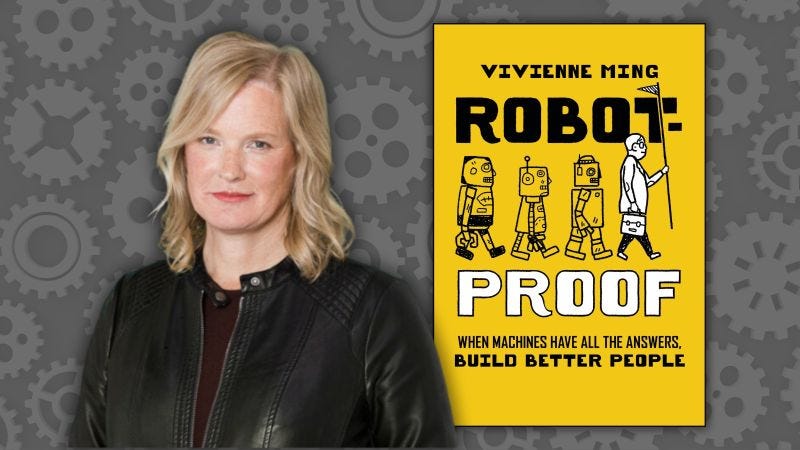
I wanted to know who else was writing about the human side of that shift, so I asked around. My friend Robert Glushko, who teaches cognitive science at the University of California, Berkeley, had already pointed me toward a book by the theoretical neuroscientist Vivienne Ming, called Robot-Proof: When Machines Have All the Answers, Build Better People. Her argument runs almost perpendicular to Gates’s.
Gates asks a policy question: “What keeps AI's benefits broadly shared?”
Ming asks a personal one: “What happens to a person's own capability once AI removes the effort that used to build it?”
Her answer is that capability erodes without practice, and the fix is what she calls "productive friction" — deliberately using a tool to make a task harder, in a way that builds the very skill you'd otherwise lose."
That answer made me wonder whether the same logic extends to judgment: if a person's skill erodes without practice, does their ability to catch a bad AI answer erode the same way?
