

There’s a moment in every dance remix when the DJ leans in, headphones crooked over one ear, and asks the only question that matters: What’s the BPM?

If one track is cruising along at 120 beats per minute (BPM) and the other is sprinting at 132, you don’t have a remix. You have a musical train wreck in progress.
The dance floor mavens will feel it immediately. The bass lines will argue. The vocals may sound like they’re trying (unsuccessfully) to catch a bus.
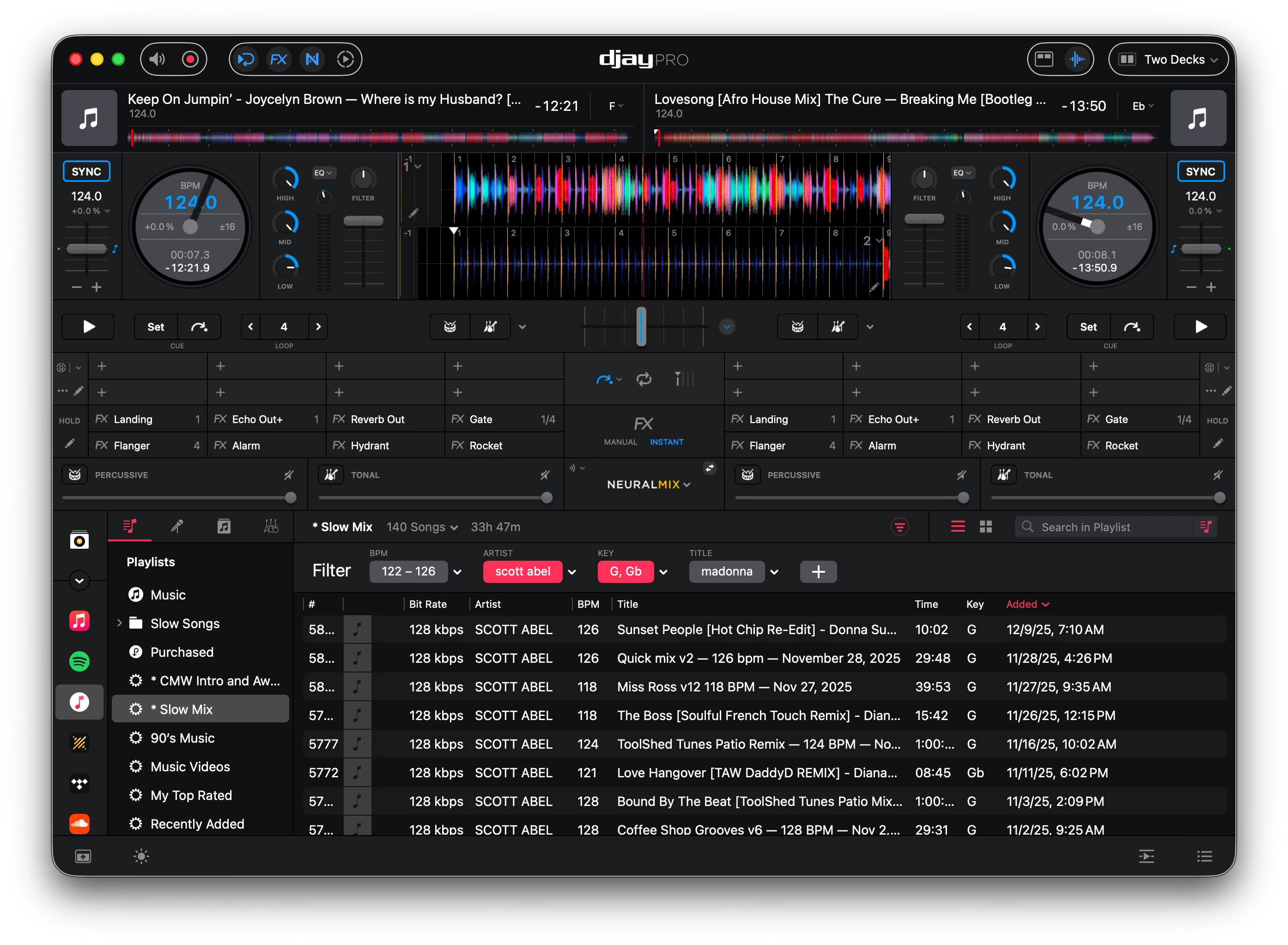
Modern DJ software can smooth over a few BPM differences. It can nudge, stretch, and sync without making the singer sound like they inhaled helium. But push it too far and everything gets weird. The groove collapses.
👉🏼 Technical writers know this feeling.
Drop a casual, conversational help topic into a tightly regulated compliance guide and you’ll feel the same jolt. Or, insert a marketing-flavored paragraph into a procedural admin manual and watch the rhythm die. Tone is documentation’s BPM. When it’s off, readers feel it even if they can’t explain why.
Dance Music Remixes vs Technical Documentation Experiences
Music producers obsess over structure. Not just tempo, but key. You don’t casually mash a track in A minor with one in B major unless you enjoy watching dancers drift toward the bar in confusion. A remix has to align in tempo, key, and vibe. Afro House has its own architecture. Disco has its own swagger. Hi-NRG carries a different emotional current. You can blend styles, but you can’t pretend they’re interchangeable.
Metadata is what makes this possible.
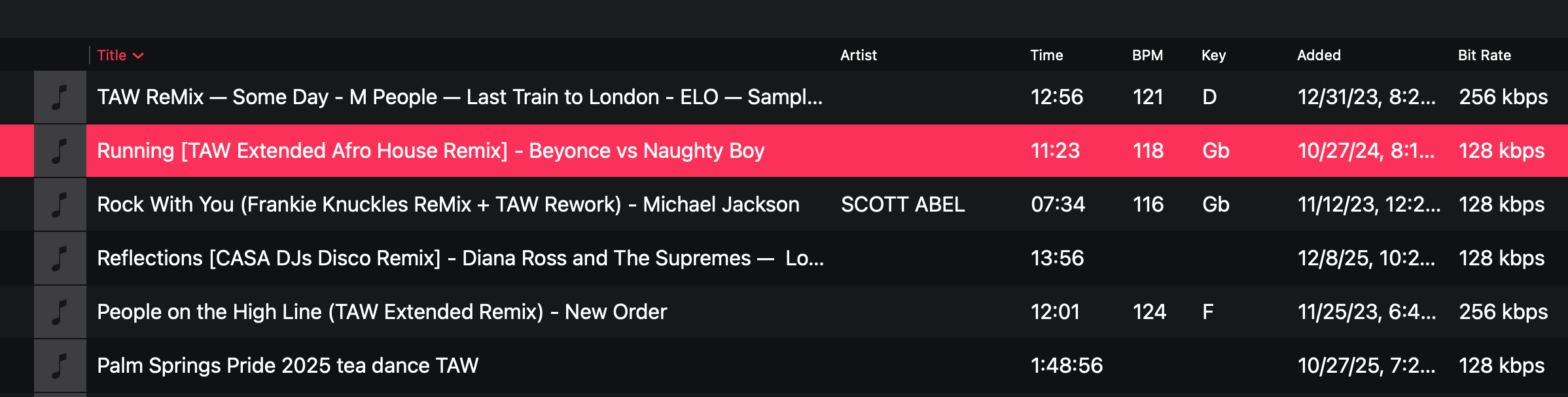
Before a DJ includes a song in a set, they look at the tags. BPM. Key. Genre. Energy level. Quality. Some even tag tracks with personal notes: “Big vocal break,” “Hands-in-the-air moment,” “Play after midnight when the crowd is ready.”
This isn’t fluff. It’s operational intelligence.
Without metadata, a music library becomes a digital junk drawer. You know the track is in there somewhere, but you’ll find it three hours after the party ends.
Metadata management challenges aren’t only impacting disc jockeys and music producers. Music database companies like SoundCharts experience them as well.
Writing on their blog in a post entitled, How Broken Metadata Affects the Music Industry (And What We Can Do About It)?, they shared this tidbit about broken or missing metadata.
“The fact is that metadata issues cause a lot of damage to the industry. Compromised metadata hurts the user experience on the streaming services, cuts off a portion of publishing revenues, robs songwriters of well-deserved credit — and that’s just the beginning.”
Documentation teams live in the same reality. Product version. Audience. Platform. Topic type. Security classification. Regulatory region. If your content isn’t tagged properly, it might as well be vinyl stored in the attic without sleeves. Technically still valuable. Practically unusable.
And let’s talk about quality.
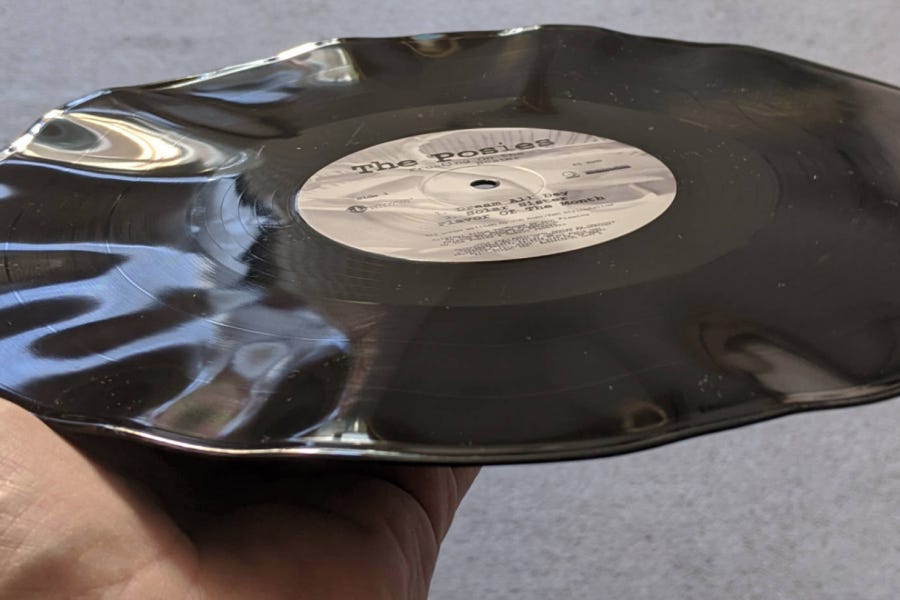
No DJ in their right mind mixes a crisp, studio-mastered track with a low-resolution MP3 ripped from somewhere questionable in 2009. The result sounds muddy. Thin. Distracting. Mismatched quality introduces noise, and noise erodes trust.
Sound familiar?
Mix high-quality, structured, peer-reviewed documentation with rogue copy-paste content pulled from an outdated PDF and you create the same problem. The user may not know why the experience feels uneven. They just know something feels off. Confidence drops. Friction rises.
Reuse only works when the components meet shared standards. In music, that means aligned BPM, compatible keys, coherent style, and sufficient audio quality. In documentation, it means consistent tone, governed structure, accurate metadata, and maintained source content.
Vinyl is the PDF of Music Formats
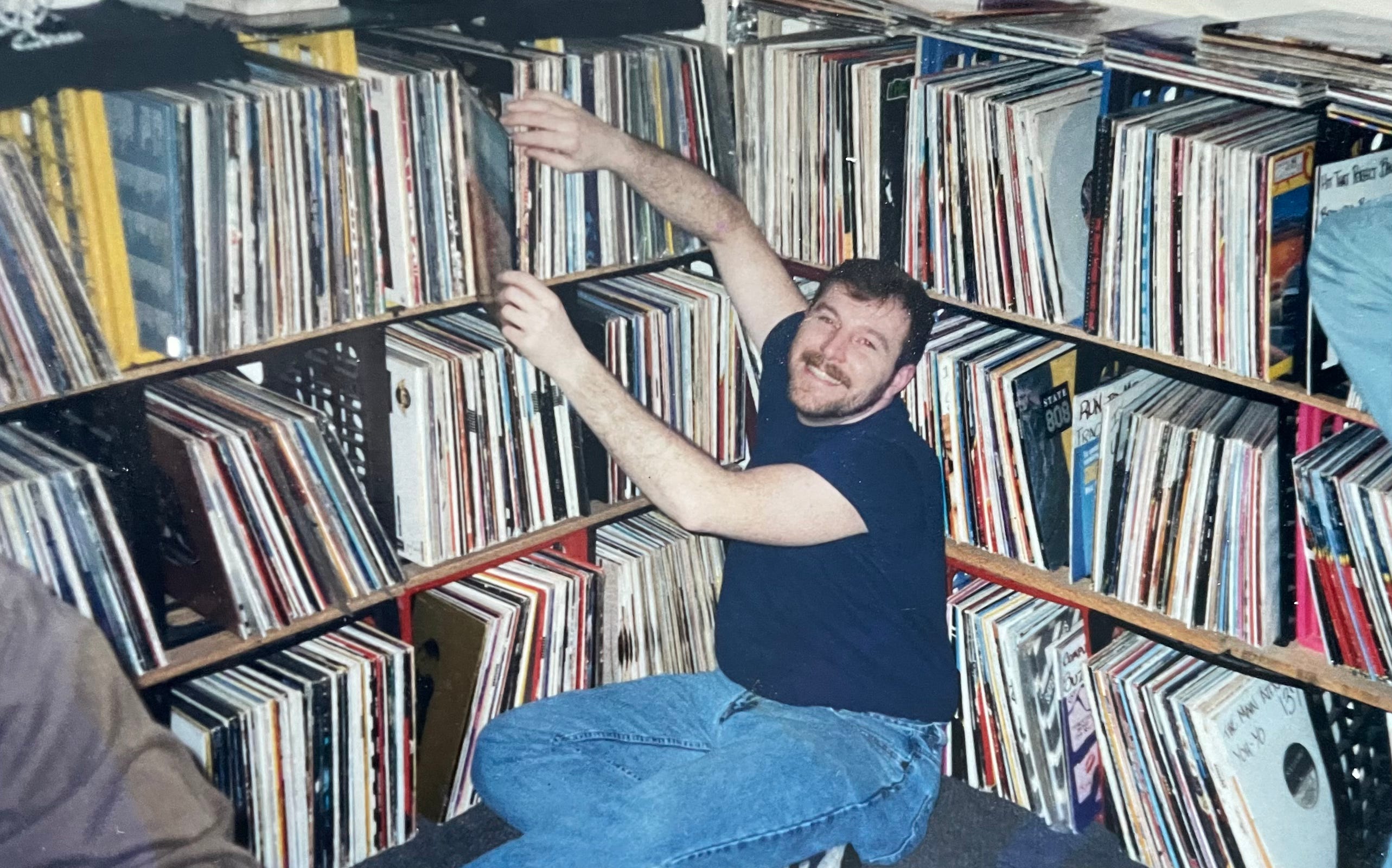
Like PDF files, vinyl is both an old school delivery format (and yet, despite its age) very much alive. Its sales are steady and, in many cases, impressive. In 2025 sales exceeded 1 billion USD.
Physical records continue to move units in a world that supposedly dematerialized everything. Even streaming platforms like SoundCloud now allow producers to press digital mixes to vinyl on demand. A digital track can become a physical LP with a few clicks. It’s modular distribution in action. One master source; multiple delivery formats.
Sound familiar again?
Related: How to Nail Single-Source Publishing
We used to print documentation as thick manuals. Then we moved to PDFs. Then portals, in-app help, and now, AI copilots want to ingest our content and respond conversationally. Different channels. Same source (if we’ve architected it properly).
Experienced music producers and DJs don’t rebuild the song every time they change formats. They produce from structured stems. They manage versions. They tag everything. They understand that distribution changes, but architecture endures.
This is the remix mindset.
It is not chaos. It is not “let’s see what happens.” It is disciplined creativity built on governed components. DJs reuse beats to create new experiences without rewriting the music from scratch. The technical writer reuses structured topics to create new deliverables without duplicating entire documents.
Both are working from the same principle: break complex systems into modular, tagged, high-quality components that can be recombined without falling apart.
And here’s the part that matters for our current AI-obsessed moment.
AI systems cannot remix chaos. They can only recombine what is structured, labeled, and reliable. Hand an AI a folder full of unlabeled audio files with inconsistent quality and you won’t get a summer anthem. You’ll get noise. Hand it inconsistent, poorly governed documentation and you’ll get confident nonsense.
Good remixes don’t happen because the DJ is “creative.” They happen because the architecture supports creativity. Good documentation at scale doesn’t happen because writers work harder. It happens because the system supports reuse.
Different stage. Same language.
One makes dance floors move. The other makes complex products usable.
Both depend on structure. And both fall apart when the BPM is wrong. 🤠